

TATTOO AFTERCARE - SORRYMON

How Long After Getting a Tattoo Can You Swim? - Sorry Mom
Some people are convinced that there are loopholes/shortcuts to the general rule that we should wait a few weeks to swim after getting a new tattoo. They want to show off their new piece as soon as possible, so there's no room for the waiting part. But afterwards, that newly-inked skin can potentially become extremely irritated and infected. Aftercare for your new tattoo is extremely important: keeping your newly tattooed skin away from getting soaked makes a huge difference in the longevity and overall quality of your tattoo. So, How Long After Getting a New Tattoo Can You Swim? According to The American Academy of Dermatology Association, we should wait at least a month before we can swim, and submerge the tattoo in the water, as our bodies completely replace our skin cells on a monthly-basis. It’s important to take the size of your tattoo into consideration. Large tattoos If you got a fairly large tattoo, you may want to wait slightly longer than a month to let your body fully heal. Small tattoos If your tattoo is on the smaller-side, you may only need to wait a couple of weeks. The main takeaway is that you should not swim if your tattoo is still healing Remember that your skin is still in the healing-process if there is any redness, peeling, or scabbing occurring around the tattoo site. What happens if you swim with a new tattoo? Although it’s pretty rare to get an infection, it’s still a possibility. We strongly advise you against “shortcuts” such as covering your tattoo with plastic foil or film — there’s really no such thing as fully waterproof. Exposure to bacteria Swimming with a new tattoo invites different bacteria and viruses that live in the water to enter the tiny holes that the needle created during the tattooing process. Contact dermatitis Sounds rather pleasant, doesn't it? Another problem that can arise after swimming with a new tattoo is an unfortunate rash that is called irritant contact dermatitis in the medical world. Fading ink Here’s a long-term problem that can occur when swimming with a new tattoo: the ink on your skin will likely fade if you decide to swim while your tattoo is still healing. Swimming with a new tattoo is simply counterproductive. How long after getting a tattoo can you shower? As a rule of thumb, you can shower 3-4 hours after getting your new tattoo. You should take extra caution when in the shower, though— avoid getting the tattoo wet directly, and clean it gently and with a fragrance-free soap. Showers are the best method of bathing when you have a new tattoo as you can control the amount of water that goes directly into the tattooed area. Remember to clean your tattoo with lukewarm water. Learn more about how to clean your tattoo here. How long after a tattoo can you swim in chlorine? It’s safe to swim in chlorine only after your tattoo is fully healed. After a few weeks, you can inspect your tattoo site to look for any redness, peeling, or flaking. You are safe to swim in chlorine if there are not any physical signs that your tattoo needs a little more time to breathe. Here’s the deal: submerging your new tattoo into a pool that is filled with chlorine is basically just asking for a painful healing process. Your new tattoo is essentially an open wound — any type of chemical that enters that open wound is going to irritate the healing site. If you’re still unsure, it’s better to just wait a month before taking a dip in the pool as science suggests that your skin will have regenerated itself within that time frame. How long after a tattoo can you take a bath? According to dermatologists, we should wait around 4-5 weeks to get into our bathtub, when your skin has fully recovered. Before that happens, we shouldn't submerge our tattoo at all. Any type of standing water is much more likely to have bacteria. Your skin is exposed to a lot of dirt and bacteria throughout the day, and soaking your new tattoo that is still an open wound does a lot more harm than good. Here’s the good news for those of you who enjoy relaxing in a bathtub: you can take a bath only if your new tattoo is placed somewhere on your body that you can completely keep from getting wet. Swimming in ocean after getting tattooed Again, it’s important to wait until your skin has fully healed before swimming at all. Not only will the salt heavily irritate your tattoo site, but the UV rays from the sun could also really damage your sensitive skin. Have you ever heard the common phrase it hurts as badly as salt poured on an open wound? Well, that phrase exists for a reason. Swimming in the salty ocean with your new tattoo is the equivalent to pouring salt on an open wound. It’s best to skip the beach day until your new tattoo shows signs of being fully healed. Final Thoughts We know how enticing a nice beach day or pool party may sound, but we also know that it’s really not worth the trouble in the end. It’s great to feel excited about your new piece — but we would hate for that excitement (and your ink) to fade because you decided to swim too early after receiving your tattoo. It’s best to avoid any type of irritation or infection by choosing not to submerge your new tattoo in water. Allowing your piece to fully heal before choosing to swim will ensure that you have a better healing process overall. The decisions that you make during the after-care process will affect the quality and longevity of your new tattoo. The better you take care of it — the better it will look and feel!
Learn more
How Long Does It Take For a Tattoo To Heal? - Sorry Mom
Before you whip off the protective tattoo film, it’s essential to understand the healing process that your skin is about to experience. One of the questions we get the most is when is a tattoo considered fully healed. So, how long does it take for a tattoo to heal? After getting tattooed, the outer layer of the skin typically takes 2-3 weeks to heal. However, the layer underneath can take up to 6 months to fully bounce back to normal. In this article, we’ll dive into the healing process and go over what to expect after your tattoo. 4 Stages of Tattoo Healing Process Stage 1 (First 72h) This is the first stage post-tattoo. Your tattoo is just like an open wound and should be treated accordingly. It should be bandaged immediately, either with tattoo bandage or cling film. Read also: Protective tattoo film vs cling film: pros and cons Expect: Oozing Swelling Burning sensation Understanding how wounds heal can help you better understand the healing process for your tattoo. Stage 2 (Days 3 to 7) You might feel like a snake shedding its skin during this stage, as the skin naturally becomes flaky and begins to peel off. At this point, your skin is inflamed and healing itself. Expect: Itchiness (side effect of skin tissue healing) Flaky skin Moderate inflammation Stage 3 (Second week) Your tattoo should feel very dry at this point. The colors of the tattoo might appear dull, but do not fear. At this stage, dry skin is forming over the tattoo, which will naturally go away, leaving your tattoo as bright as ever. Expect: Dry skin Color fading Stage 4 (After 2 weeks) Your skin should be fully healed, and your tattoo should have no more itchy feelings. It’s essential to keep up with aftercare throughout all stages of the healing process, including this one. Expect: No itchiness. No pain. Healed tattoo. Read also: How long do tattoos itch? 3 Most Important Tattoo Aftercare Tips For your tattoo to heal in the best way possible and avoid infection, it’s essential to follow these instructions. Read also: Infected tattoos: how to avoid them 1. Allow your tattoo to breathe. Oxygen is vital in the healing process. Therefore, if your tattoo is wrapped with cling film, remove it when you get home the first night, and put on a new one after cleaning the area. After the first night, let your skin breathe, with no cling film on it. However, if using breathable (recommended) tattoo bandage, keep it on the first night, change it the day after and keep it for 3 days. This bandage allows your skin to breath while protecting the area and avoids ruining your sheets. 2. Clean your tattoo 2-3 times a day. Gently wash your tattoo using tattoo soap or simply lukewarm water and neutral soap. 3. Apply moisturizer. Use Sorry Mom's Tattoo Balm to keep your tattoo moisturized for the first few days. What NOT to Do When a Tattoo is Healing. Don’t scratch A part of the healing phase of a tattoo is itchiness. Don’t give in. Scratching your new tattoo can lead to scarring. Don’t expose your new tattoo to sunlight Sunlight will lead to fading and discoloration of your fresh tattoo. When completely healed, protect your tattoos with specific tattoo sunscreen. Don’t soak your tattoo in water. Allowing your tattoo to be submerged in water can lead to a build-up of bacteria. Don’t use scented lotions. There are chemicals in scented lotions and perfumes that will fade the color of your tattoo. They can also cause inflammation. Ideally, use products that are specifically designed for tattoo care. Don’t shave around the tattooed area until fully healed. The hair or shaving cream that could get in the skin could seriously irritate the tattoo. It’s best to let the tattoo fully heal before trying to shave close to it. How to Reduce Tattoo Healing Time Our bodies have this fundamental capacity to heal themselves. From the moment the wound opens, your white blood cells are doing everything in their power to mend you right up. While healing is a natural process of the body, we have the capacity to help reduce the healing time by taking proper care of all wounds. And yes, that means tattoos. Let’s go over some ways you can help your tattoo heal quicker: - Prepare your body before your tattoo - Vitamin C Vitamin C is vital for skin functioning and healing, and it stimulates collagen and elastin, which minimizes the risk of scarring. To get Vitamin C in your system, eat plenty of fruit and vegetables before your tattoo. - On the day of your tattoo, avoid taking any blood thinners such as fish oil or aspirin. Taking blood thinners will cause your tattoo to bleed more, increasing the healing time significantly. Blood thinners will also cause the ink to leak out more, leading to a less vivid tattoo. - Eat some starchy carbohydrates a couple of hours before your tattoo. As you are getting tattooed, your body creates a stress response which burns through sugar. Starchy carbohydrates such as rice, pasta, or potatoes will slowly release glucose to your system, allowing you to feel good throughout the process. It'll be a lot less likely to faint with stabilized blood sugar. - Drink lots of water 24 hours before your tattoo. Hydrated skin is healthy skin. Your skin will take ink easier when it’s hydrated, leading to a quicker tattoo process. - Avoid getting sunburnt skin tattooed. If you have any skin damage or spent a little too much time in the sun prior to your tattoo appointment, you might want to reschedule. It will be an incredibly painful process, and will require a longer tattoo session since sunburnt skin is usually very dry. Read more about the risks of having dry skin here. - Moisturize every day for a week before getting your tattoo. This will allow your skin to take in the ink much easier, and will make for a smoother tattoo and overall healing process. 8 Signs That Your Tattoo is NOT Healing Properly: Keep in mind that while it’s essential to take care of your tattoo in the proper way throughout the healing process, it’s also vital that you know what to look out for if something doesn’t seem to be healing appropriately. Things to keep your eye out for: 1. Puffy skin surrounding the tattoo A swollen tattoo is typical in the first couple of days. However, continuous puffy skin around the tattoo after a few days could be an allergic reaction to the ink. 2. Breakout in hives If you start noticing hives or severe itchy spots around your tattoo, this could be a sign of an allergy. 3. Prolonged bleeding If your tattoo is still oozing blood after the 3rd day, it could be infected. 4. Fever If you notice an increase in your body temperature and chills, it might be a sign of infection. 5. Distorted tattoo Redness is caused by the widening of blood vessels due to the inflammation process. But if your tattoo is continuously red, colors are looking distorted (not just faded), and the skin surrounding the tattoo is swollen, this may be a sign of tattoo scarring. Distortion is a sign your tattoo is not healing appropriately. 6. Intense and worsening pain Yes, it will be a little painful after receiving your tattoo, just like a normal wound would feel sore. But, if the area of your tattoo is getting more painful day by day, it could be a sign of an infection. If you notice any of these things happening, it might be time to visit the doctor. 7. Continuous seeping of pus If you are experiencing a yellow-brown liquid seeping out of your tattoo for a few days, this is a good indication of a skin infection. 8. Hot skin If your skin seems to be radiating heat for days after your tattoo, this could be a sign of infection, as blood is carrying heat from the inner core of the body to the surface levels of the skin. How Long Does It Take for a Small Tattoo to Heal? Healing will depend on the size of your tattoo and the amount of ink it has. You can expect a smaller tattoo to take less time to heal, but you should still be using the proper aftercare on any sized tattoo for six months after receiving it. How Long Does it Take for a Tattoo to Stop Hurting? A newly done tattoo feels similar to a sunburn. Therefore, you can expect pain or discomfort from a fresh tattoo for the first 2 weeks. The pain experienced post-tattoo will vary based on pain tolerance, size of the tattoo, and amount of ink in the tattoo. As the pain of the sunburn fades after a few days, so will the pain of your fresh ink. Can You Let Your Tattoo Heal On Its Own? Letting a tattoo healing on its own is not recommendable at all. This is not the direction you want to take when allowing your fresh tattoo to heal. If you do nothing this can lead to infection, inflammation, discoloration and or scarring. Final Thoughts Healing takes time and does not just happen overnight. Your body has the capacity to heal, and you have the capacity to encourage the healing process after getting a tattoo by taking proper care of yourself. Listen to what your body needs, and don’t rush the healing process. Oh, and don’t forget to moisturize.
Learn more
Can I Wash My Tattoo While It's Peeling? - Sorry Mom
The peeling stage of a tattoo can be pretty daunting, as it’s not normal for your skin to resemble that of a snake. Worry not - it’s all a part of the process. Many people ask us if it's a good idea keep washing their tattoos when the skin is peeling. We are all about proper tattoo aftercare, so there's no doubt about it. So, should you wash your tattoo when it’s peeling? Yes, definitely. The peeling process usually starts 4-5 days after getting the tattoo, and you should keep cleaning it out and caring for it very gently. Let’s check out the process of tattoo peeling and how to properly take care of your skin during this period. What Exactly is Tattoo Peeling? Process Explained Tattoo peeling is the process where your epidermis (outermost layer of skin) regenerates. When you get a tattoo, the top and middle layers of your skin are penetrated, causing a sort of shock factor within your skin cells. The initial step of the healing process begins almost immediately upon penetration when your body starts to form this mesh of platelets in order to avoid loss of bodily fluids. After that, you might see some swelling for the first couple of days when your skin cells begin to grow anew. Around the end of the first week, the new skin cells have finally pushed their way to the top outer layer of your skin, causing your old dead skin cells to shed or peel off. How Long Does Tattoo Peeling Last? For smaller tattoos with less ink, you can expect the peeling process to finish up within 1 week. For larger tattoos with more ink, it might take up to 2 weeks to fully finish peeling. The timeframe for your tattoo to peel entirely off will depend on the size, shape, amount of ink, and color of your tattoo. Don’t worry if your tattoo hasn’t started peeling within five days or is taking longer than two weeks to peel. Each body is different, as is every tattoo. What TO DO When Your Tattoo is Peeling: 1. Moisturize, moisturize, moisturize Moisturizing a tattoo that’s peeling will not only speed up the healing process of your tattoo with those helpful vitamins and minerals, it will also nourish your skin and help that sort of itchy uncomfortable feeling you get when your skin peels. Moisturizing will also help transform the look of your skin from flakey to healthy. 2. Keep your skin clean Healthy skin is clean skin, especially when it comes to skin going through the healing process. Wash your tattooed area out very gently with antibacterial soap, and then rinse, but don’t rub. Everything in this phase of the tattoo healing process should be done very gently, as you don’t want to force the scab off. After cleaning your tattoo, pat it gently preferably with a paper towel, not a bath towel. 3. Allow the peel to fall off naturally If you’re worried about all the flakes coming off of your skin, don’t. They will all come off in due time. It’s all a part of the healing process - especially at the beginning, and you don’t need to hinder that process by prematurely peeling the skin before it is ready. What NOT to Do When Your Tattoo is Peeling: 1. Do not pick your peel I’m sure we’ve all done it before - received a sunburn, and just when the skin started peeling, we decided to nudge it along and help it out a little bit by peeling it off. This is exactly what you do not want to be doing to your skin when it’s peeling from a tattoo. Pulling attached skin could cause unsettled ink to pop out, leading to scarring, patchiness, and sometimes distortion within your tattoo. Even if the skin looks like it’s ready to come off, it could still be firmly attached to your layer of skin. 2. Do not shave or wax the tattooed area. This one is pretty self-explanatory. You’ve got to allow your tattoo time to heal before bringing a razor into the picture. If you take a razor blade or hot wax to skin that is trying to recover by peeling - you could seriously damage your skin and alter the look of your tattoo. 3. Do not rub your tattoo with a towel Rubbing your tattoo can lead to the skin to come off that was not ready to come off. Rubbing pulls up the scab layer of your skin, sending signals to your brain that the healing process needs to start all over Try to use a paper towel instead of a rough bath towel after cleaning out your tattoo. 4. Do not soak your tattoo in water or sweat excessively. Water, including sweat, can seep into your tattoo and pull out ink from a tattoo still healing. Water caught in your tattoo for an extended period of time also might have bacteria, dirt, or germs that can lead to an infection. If you do sweat, rinse off and change clothes immediately after, and keep the daily showers short - less than 10 minutes. Read also: 8 Things you should know when showering after a tattoo 5. Don’t rebandage the tattoo. By the time your tattoo starts peeling off, you shouldn't be wearing a tattoo bandage any longer. Your skin is dying to be in the fresh air - literally. Allow your skin to heal and peel outside of a bandage even if it feels sensitive. Tattoo Peeling and Fading Throughout the peeling process, and especially as it comes to an end, you might notice the tattoo color looks different from when you left the shop. Don’t worry - that’s completely usual, and it will return to normal. The reason your tattoo might look dull and cloudy is due to a dead layer of skin that is still present. It’ll take about 1 or 2 months for the coloration of your tattoo to return to normal, as the skin will finally be fully healed. It takes a while for that new skin to reach the surface, though, so be patient with your skin. Allow it to do its thing naturally and effortlessly. Read also: Tattoo fading (how to prevent it) Sunburn and Tattoo Peeling When it comes to allowing your tattoo to heal - the best strategy is just to avoid the sun like you’re a vampire. We know that’s not feasible for most people, so let’s talk sunburn and peeling. The peeling process is an extremely delicate time for your tattoo. All that new skin is fighting and pushing to make its way to the surface of your body, and all that old dead skin is getting ready to leave forever. Exposure to sunlight during this process could cause a shock to your skin cells and prolong or even restart the healing process. Your skin may start to blister and could potentially lead to an infection. We strongly recommend to avoid the sun the first 2 weeks after getting tattooed. Once your tattoo is healed, wear sunscreen and loose clothing to cover your tattoo if you are going out in the sun. Even if you wear sunscreen, it’s important not to expose yourself to the sun’s rays for an extended amount of time as damage can still occur in the first 2-3 months. Bottom Line When it comes to tattoo peeling, it’s best to keep it clean and moisturized. The last thing your tattoo needs is you poking and prodding all over it. Maintain the aftercare, but let the skin heal on its own time. Before you know it, you’ll have a whole new array of skin cells with a beautiful and healthy tattoo.
Learn more
Tattoo bandage: Protective Tattoo Film vs Cling Film (Pros and Cons) - Sorry Mom
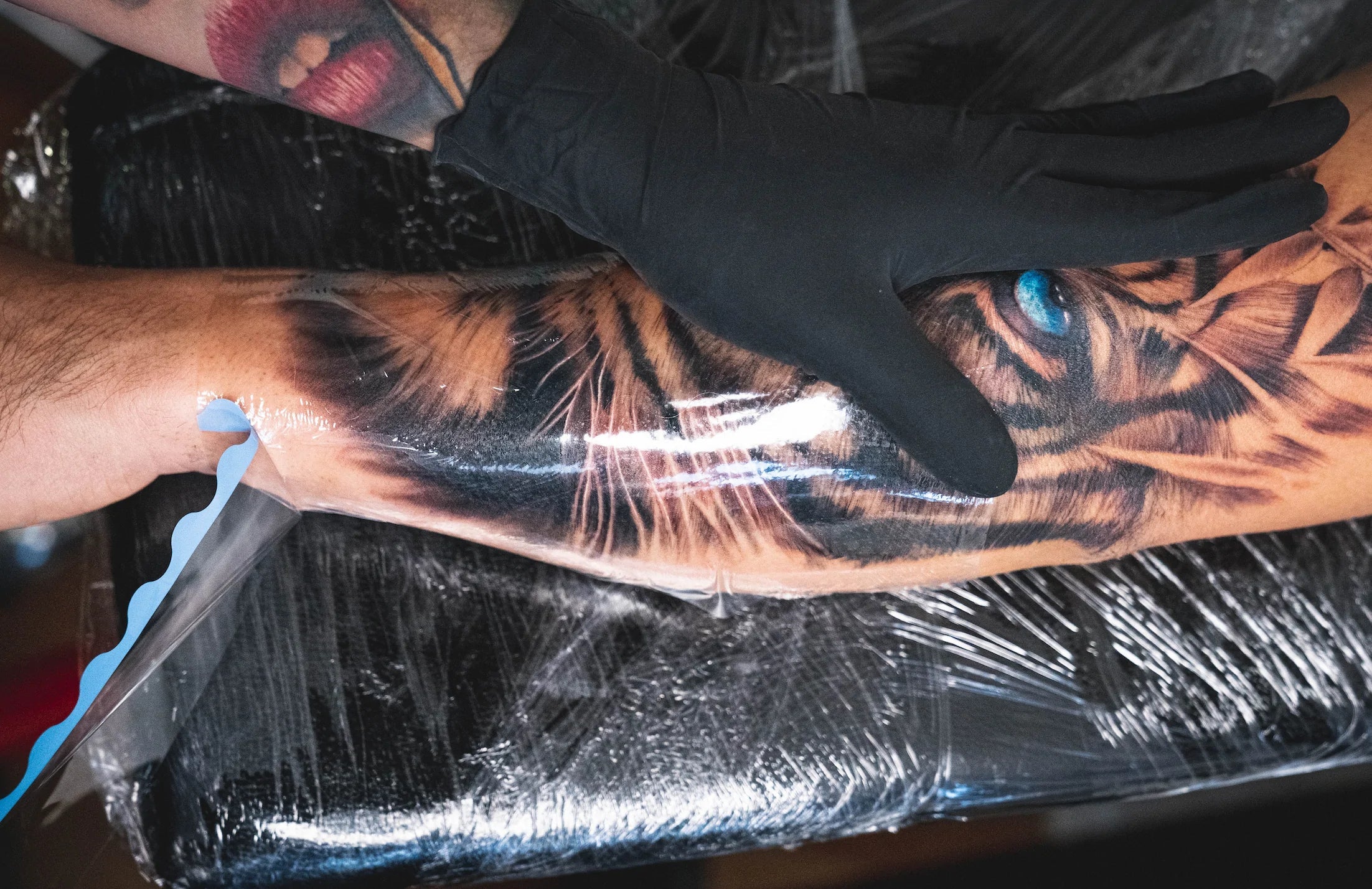
When getting a tattoo, you expect the artist's work to be clear and bold. However, it can be difficult to keep tattoos in pristine condition, especially while they are in the healing stages. Luckily, though, tattoo technology has evolved over the last few years, and new and innovative tattoo aftercare products have been developed by tattoo artists. This way your tattoos can stay protected and heal properly. In the past, cling film was used to help clients’ tattoos heal. Now, a new form of tattoo bandage has arrived. Protective tattoo film is one of the best ways to cover and mend skin after a tattooing session. In this post, we’ll be talking more about this product in detail. We’ll also discuss the pros and cons of protective tattoo film vs the traditional cling film. This way you can decide whether this is the right tattoo bandage for you. What is a Protective Tattoo Film? In short, protective tattoo film is thin, self-adhesive film used to protect fresh tattoos in the first days of healing. This film is used on newly tattooed skin and can help heal and protect the upper layers of the dermis. After a tattoo is inked into the skin, it is susceptible to infection and even damage. As a tattoo aficionado, you want your skin to heal cleanly, this way your tattoo stays crisp and vibrant for many years. Protective tattoo films ensure this outcome and help the skin heal during this critical time. These films are lightweight, breathable, waterproof, stretchable and offer the best possible skin protection for your tattoos. How Does Protective Tattoo Film Work and How do You Use it? Still, how exactly do protective tattoo films work, and how do you use them? Self-adhesive Protective tattoo film is a self-adhesive product. You simply place the film on your skin and it will stick without having to put any other products on. Best on dry skin Dry skin is ideal for the application of this film, and you won’t have to worry about the breathability of this product. Oxygen naturally enters the material of the film, and moisture leaves the film quickly which will prevent infection. Sturdy protective layer In short, the film creates a sturdy protective layer between the outside world and the tattoo. This antibacterial barrier keeps skin safe and the tattoo safe. In addition, the healing enzymes in the skin are locked into place for optimal tattoo outcomes. It can cover large areas Protective tattoo film can also be placed on any area of the body and will cover up large chunks of skin easily. This aftercare film should be changed regularly, as well. And, you can even put healing ointment underneath the film to speed up healing and make removal of the film easier. How Long Should You Leave the Tattoo Bandage On? After a tattoo is first completed, the protective tattoo film can stay attached to the skin for up to 24 hours. After 24h, it is recommended to put on a new one, which can be used up to 3 to 5 days. The exact amount of time the film needs to stay on will depend, of course. But at the most instruct it is recommended to keep it on for 24 hours. Then we recommend to replace the film after the 24 hours are up. While this is an effective and safe product to use, protective tattoo films should not be left on all the time. However, if the film is getting soggy or filling with blood, though, it should be replaced every 8 hours. In some cases, someone might need to change the film, every 4 or 6 hours. In addition, change the film if it gets really dirty. Read Also: How Long Should I Keep My Tattoo Wrapped? Tattoo Bandage Pros and Cons: Comparing Protective Film vs Cling Film In this final section, we’ll be comparing the pros and cons of protective tattoo film and cling film. Both products have their positives and negatives, but you’ll see that protective tattoo film has a way more benefits in comparison to cling film. PROS OF PROTECTIVE FILM - Breathability and flexibility One of the biggest pros of protective tattoo film is its breathability and flexibility. With protective film, tattoos can breathe more easily and will stay free from infection. This can really help speed along the recovery process. - Perfect for an active lifestyle In addition, protective tattoo film is also easy to apply and super flexible. You won’t feel uncomfortable wearing this type of tattoo protection. In fact, it is easy to move around with this tattoo film. Protective tattoo film conforms to the body and doesn’t move around or shift a lot. - Can be used in the shower You can also shower with this film, as well. You don’t want to dose your film in water, but it can be easier to go in the shower with this particular protective film. CONS OF PROTECTIVE FILM It is hard to find cons when using protective film, though. For instance, not all people can use this film. Some people could be allergic to the materials in the film -it is very rare though-. - Really, there are not too many downsides with this product. Our advice is just to monitor your inked skin for it to heal fully. And then, you need to change the film when it leaks or gets full. This way your skin stays safe. PROS OF CLING FILM Cling film does not have the best reputation these days. However, it does have some positive points. In fact, cling film is great if you want a super simple solution to keep bacteria out of a tattoo. It has to be changed regularly, though, but it can effectively act as a barrier against germs and other microbial organisms. - Cheap In addition, cling film is cheap and not difficult to apply. Cling film can be a good alternative if you are on a budget, but for the money it costs to get protective tattoo film vs the benefits you get, we still think it's a better option. CONS OF CLING FILM - Not breathable One thing to know about cling film is that it is not as breathable as protective tattoo films. If you change it regularly it won’t get infected. Still, your skin won’t get as much oxygen as it would with protective films. - Uncomfortable Another downside of cling film is its rigidness. It can be awkward and downright uncomfortable wearing cling film around your skin. This is unlike a protective film, which is easier and more convenient to wear on the skin. Final Thoughts Overall, protective tattoo films are a great choice for tattoo artists, tattoo shop owners and tattoo enthusiasts. This breathable and innovative technology can fundamentally change the healing process of tattoos. But of course, you want to consider both the pros and cons of this product. If you ask us, there's no way around it: start using protective tattoo film, and you will see the difference. We hope this post helped you to decide whether you want to stick to the old school cling film or try all the benefits of professional protective tattoo film!
Learn more
Can You Shower After a New Tattoo? 8 Tips to Do it Right - Sorry Mom
You have sat through the pain and now have a brand-new piece of art tattooed on your body permanently. The next 48 hours following this are crucial for maintaining your tattoo’s lifespan because it will determine how your tattoo will look following the stages of scabbing and flaking. You might be in a hurry to jump in the shower, but the first step is to get the green light from your tattoo artist. So, Can you shower after getting a tattoo? If you are looking to shower without washing your tattoo, you can do it 3-4 hours after the artist has wrapped the tattoo. It's important to avoid soaking the area for at least 2 weeks, and remove any soap immediately. If you are looking to wash your tattoo, this is a completely different story. The waiting period your artist has recommended before removing the bandage is extremely important to adhere to, so avoid peeking at your piece and allow your tattoo its time to heal. Waterproof bandages will allow you to shower immediately while protecting your tattoo. The best piece of advice for every newbie or even veteran when it comes to tattoos is to seek guidance from your artist. They are experts in their field and will be able to provide the best advice for your specific art piece. How Soon After Getting a Tattoo Can I Take a Shower? Tattoos are basically open wounds, and as tempted as you might be to show off your new ink, it is advised to leave the bandage alone for at least 3 hours. Some artists even suggest waiting upwards of 24 hours. As soon as your tattoo artist is done with their work, your tattoo is bandaged almost immediately after to protect it from infections and scarring. Ultimately, your artist knows best, so seek their advice as it can vary depending on your piece. Once you have kept your tattoo under wraps based on your tattoo artist’s advice, the next step is to go about washing and cleaning the tattoo itself. 8 Tips On Taking a Shower After Getting a New Tattoo #1 Treat your new tattoo like an open wound Your tattoo is like an open wound, so treat it as such. You want to be extremely gentle and maintain a clean and sanitary tattoo during this aftercare period because the skin has experienced trauma and needs time to heal. #2 Use cool or lukewarm water Set the water temperature and power to a gentle stream of cool or lukewarm water. Your skin is extremely sensitive and not being careful here can cause your skin to swell even further. #3 Wash the area with your hand or a cup Never apply water directly from the shower-head. Instead, gently wash the area with your hand or a cup. #4 Use mild, fragrance free soaps Use an unscented and gentle product designed for sensitive skin when you are washing your tattoo in the shower. The best soaps for this should be free of abrasive chemicals, yet still have the ability to clean the bacteria and impurities in the gentlest way possible. #5 Don't submerge your tattoo in water Avoid submerging your tattoo in water for extended periods of time. You want to keep water exposure to a minimum because this can impact the pigments in the tattoo. #6 Take short showers Keep your showers as brief as possible. Exposing your fresh tattoo to steam and heat can break down the pigment and slow down the healing process. #7 Use paper towel Blot your tattoo dry with a paper towel or let it air dry. Avoid using a towel as cross-contamination can cause bacteria can accumulate and result in infections. #8 Apply moisturizer once it's completely dry Moisturize the area once it is dry. In Sorry Mom, we have several gentle moisturizers that are fragrance-free and free of harsh chemicals. Additionally, we have developed products specifically for tattoo care that speed up the process of healing. How Long After Getting a Tattoo Can You Shower Normally? The type of bandage your tattoo artist uses on you will determine how soon you can shower normally. If they have used a waterproof protective tattoo film, you can shower pretty much normal almost immediately. Once the bandage has been removed after 3-5 days, you can shower at any time you want, following some precautions. Some old-school bandages or cling wrap as is traditionally used will require a waiting period of up to 12 hours until you can get in the shower. Be sure to make note of this with your tattoo artist. Read Also: Protective Tattoo Film vs Cling Film What to Do After Taking a Shower? Once you are out of the shower, be sure to completely dry the area, and moisturize your skin thoroughly. Generally, tattoos begin to scab and flake 48 hours after they have been done. Most tattoos can take up to two weeks to fully heal, so be diligent with caring for them. You might be tempted to pick at the scab, but it is extremely crucial to avoid doing this at all costs. Doing so might risk scarring, discoloration, and exposing it to bacteria that can destroy all of the hard work your artist put into the piece. Patience is extremely important during this time so be sure to be extra cautious when it comes to caring for your tattoo. Can I Bathe After Getting a Tattoo? Washing your tattoo is crucial but taking a bath can have the opposite effect and altogether ruin your tattoo. Avoid submerging yourself in water for long periods of time after you have gotten a fresh tattoo. This means swimming pools, hot tubs and bathtubs should be avoided at all costs for at least a few weeks while your tattoo is in the process of healing. Read Also: How Long After a Tattoo Can You Swim? Summary Keeping your tattoo fresh might seem like a difficult task because of the number of precautions and steps needed to be taken before you can fully enjoy the artistry behind it. But don’t let this deter you from getting your ink done. The process, as many can attest to, is a small price to pay for the permanent artwork and creative expression that you can have on your body. Maintaining care for your tattoo will ensure that it heals well and stays vibrant for as long as possible.
Learn more
Tattoo Fading: 5 Main Causes and How to Prevent it - Sorry Mom
If you are anything like us, you love and appreciate the artistry that goes behind tattoos. After hours of meticulous and skilful ability by the tattoo artist, these permanent works of art are incredibly special and personal to every individual. While there is no doubt that tattoos done by artists are very much permanent, there is the question of how your tattoo will look a few years down the line. How do we avoid faded tattoos? This is a question we get a lot. So, do tattoos fade? Without a doubt, your tattoos will eventually fade. Several reasons can affect the vibrancy of your tattoos: sun exposure, poor aftercare, friction or placement, just to name a few. Fortunately, we can slow down the process, and prevent our tattoos to fade as fast. With experience, you probably have learned that caring for your tattoo does not simply end once your artist has finished his work. Aftercare is critical for the longevity of your tattoo and these beginning stages after you have gotten your tattoo are extremely important. What Causes Tattoo Fading? 5 Main Reasons Many reasons cause tattoos to fade. The good news is that there are preventable measures that can help slow the effects of fading to keep your tattoo looking fresh and vibrant for a longer time. #1 Sun exposure Excessive sun exposure without any sunscreen or protection will inevitably affect your tattoo. The sun’s UV-rays will invariably break down the pigment particles in your tattoo and cause it to lighten. The next time you head out, be sure to apply sunscreen onto your tattoo. #2 Poor aftercare Immediately after your tattoo is complete, your tattoo artist should provide you with the information and products that you will need to care for your tattoo for at least a few weeks as it heals. Ignoring these instructions and simply not following them diligently can affect the longevity of your tattoo’s vibrancy and appearance. Some of the products recommended are the following: Balm or butter to keep your skin moisturized and speed up the healing process. Lotion to keep your tattoos bright and vibrant. Tattoo foam soap to clean the tattooed area. Protective tattoo film, to protect the area from bacteria. Sunscreen for tattoos, to protect your tattoos from the sun. #3 Excessive friction Over exfoliation with products or excessive contact with clothing and the environment can have a huge impact on how your tattoo will look in the long run. Athletes most commonly experience this from the equipment, uniforms, and constant contact that results in their tattoos being put through extreme conditions. Read Also: Can I Workout After Getting a Tattoo? #4 Weight gain affects skin elasticity Sudden and extreme weight gain will have an immense effect on the elasticity of the skin and can distort the appearance of your tattoo. The ink pigments will break down over time as your skin stretches, thus causing your tattoo to appear faded. #5 Tattoo placement Some parts of the body are more likely to turn bright, fresh tattoos into faded tattoos than others. Places where the skin is thin and the blood circulation is not great due to its peripheral placement -like feet and hands-, are more likely to experience tattoo fading. How Quickly Do Tattoos Fade? Tattoos generally fade within days of their application as your epidermis acclimates to the pigments and creates a new layer of skin. As the dead skin is then shed, your tattoo will experience vibrancy. For the deeper layers of skin to fully heal, this can take months, but this also depends on its size, coloring, and how experienced your artist is. This form of fading that appears after your tattoo has fully healed usually begins 6 months down the line, depending on the various environments and settings your tattoo is exposed to. Do All Tattoos Fade? Generally speaking, most tattoos undergo some fading over the years. Depending on the location of your tattoo, external factors like the environment can play a big role in your tattoos looking faded. Several mitigating factors affect whether your tattoo will experience fading or not: - Colored Tattoos Colored tattoos tend to fade quicker, especially light colored and watercolor pieces because of the technique utilized. White tattoos fade the quickest out of all tattoos, especially when exposed to the sun. - Black and Grey Tattoos Black and grey tattoos tend to last longer in terms of vibrancy but will still experience fading over time. - Artist's Experience Matters Finding an experienced tattoo artist is crucial because their abilities can make or break the longevity of your tattoo’s appearance. Having an experienced tattoo artist is also important for the aftercare and knowledge they impart to you to take care of your tattoo. Where Do Tattoos Fade the Least? While a big part of the joy of tattoos is the creative freedom you have with them, be wary that there are certain areas on your body that will be more susceptible to sunlight, thus causing your tattoo to fade faster. Your environment, lifestyle, and the weather will have a direct impact on this as well. Areas like your ribs, outer collarbone, back, and upper thighs are good placements if you’re looking to conceal your tattoo under your clothes and protect it from the sun. Areas like your abdomen, feet, or anywhere that tends to crease like wrists are not as ideal if your goal is to protect your tattoo from exposure. Keep this in mind when you are considering your tattoo and seek advice from your tattoo artist as they will be able to determine the best location for the tattoo to look its best for a long time. How to Prevent Tattoo Fading Tattoo aftercare is the most important step because it ensures the longevity of your tattoo and prevents any complications that can occur. As soon as you get your tattoo, be sure to follow through with gently washing the area and moisturizing it with tattoo aftercare products. Your tattoo will scab and the skin will flake, but this is normal After your tattoo has healed, maintaining it is a matter of keeping the area clean and moisturized. Be sure to stay hydrated and continue moisturizing your skin with gentle products. Sunscreen is also your best friend when it comes to preventing your tattoo from looking faded. How to Fix Tattoo Fading If you have followed through with all of the proper aftercare steps and continue to take care of your tattoo but still find fading to be an issue, there is always the option of touching up your work. Restoring your ink is a common practice that most tattoo artists are willing to do. This is a great way to refresh your pieces to get them looking brand-new again. Bottom Line When it comes to ink, the sky is the limit, which is why tattoos are viewed as such incredible works of art. Whether it’s your first time or if you are a veteran, maintaining your tattoos is incredibly important. While fading is inevitable, there are several ways to ensure the vibrancy and longevity of your ink and following these tips will help your pieces withstand the test of time.
Learn more
My Tattoo is Still Raised After a Year: Is It Normal? - Sorry Mom
One thing that you may not know before or right after getting a tattoo is that the area of the skin is usually raised after completing the tattoo. There are many different reasons that your tattoo may be raised, including weather conditions, your individual body chemistry, or an allergic reaction. However, raised skin is usually just a normal part of the healing process. Tattoos become raised for several different reasons, and it is usually not a cause for concern. However, it is important to know what signs to be on the lookout for and what to do if something looks abnormal. Keep reading to learn more about why your tattoo is still raised. Is it Normal for a Tattoo to Be Raised? Generally speaking, it is normal for a tattoo to be raised. While it is not normal for the skin around your tattoo to be puffy, if the tattoo itself is raised for a few days following your session, it is usually not a cause for concern. Reasons for Raised Tattoos While it is unusual, many other reasons could explain why your tattoo is raised: - Weather conditions Weather conditions play a significant role in the health of your skin, and if you find that your tattoo has suddenly become raised, it may be the cause. This is typically seen when it is either very humid or very dry outside. - Body Chemistry Your unique body chemistry could play a role in whether or not your skin becomes raised. Much like some people bleed more than others during a tattoo session, some experience raised skin more significantly than other people after they’ve been tattooed. - Allergic Reaction If the skin surrounding the tattoo area becomes raised, this may indicate that you are having an allergic reaction to the ink. Allergic reactions to the ink are relatively rare, but it can happen Oddly enough, this is seen more often in those whose tattoos have colored ink – mostly red or yellow. How Do You Fix a Raised Tattoo? Fixing a raised tattoo is dependent on the cause. If your skin is simply raised because it is healing, then the only thing that you can really do is wait it out. If your tattoo is acting up because of the weather, you may have to simply wait for the weather to subside before you can get any relief. However, be sure that you are wearing sunscreen in the sun and keeping your skin well-moisturized all year round. However, other causes, like an allergic reaction or infection, require medical attention. If you believe that your tattoo is raised from an allergy to the ink, then you should consult a doctor or seek out emergency medical attention. Most symptoms will go away within a few hours without any need for medical intervention. My Tattoo is Raised After One Year It is very common for a tattoo to be raised for a few days after they are completed, but it is normal after a year? The answer is most likely – yes. As long as your tattoo isn’t displaying any alarming symptoms or patterns, then the raised skin can usually be attributed to a harmless anomaly. As we said before, a couple of common, non-threatening causes of a raised tattoo include certain weather conditions, your natural body chemistry, or existing skin conditions unrelated to your tattoo. However, once tattoos move past the healing phase, there is usually no significant reason as to why tattoos randomly become raised. Some people periodically and randomly experience raised lines on their tattoos and can’t find any clear explanation as to why it is occurring. Warning Signs While raised tattoos can typically be attributed to a harmless cause, especially after one year, there are a few causes that create more concern: Skin tissue damage Infection Allergic reaction. However, it is unusual for any of these to occur a full year after the tattoo has been completed and has healed. Why is My Tattoo Raised and Itchy at the Same Time? The reason that your skin gets itchy, and may even peel off, is because your top layer of skin is essentially shedding. The most important thing that you should consider regarding your raised tattoo is any accompanying symptoms. Symptoms like itchiness, puffiness in the area surrounding the tattoo, or signs of infection should prompt you to call your doctor. During the healing process, it is perfectly normal for your tattoo to show some raising, and itchiness is almost synonymous with tattoo healing. A raised tattoo that may be infected is going to distinct symptoms. These include: Swelling Pain White spots Oozing Scabs and rashes Warmth Pimples. Though tattoo infections do not occur often, if you are experiencing any of these symptoms and seriously think you may have an infection, you should immediately call your tattoo artist or doctor. Final Thoughts Many of us were conditioned by our parents or other elders about the “dangers” of getting a tattoo. Common threats were, you’ll get an infection, they are going to fall off, and other horror stories with the intent to dissuade yours from ever getting anything inked on your skin. Most of these are old wives’ tales or incredibly exaggerated, mild complications. Though infections and serious, harmful side effects are not common, they do still happen. So, it is essential to keep an eye out for abnormal symptoms. Raised skin, itchiness, and even very mild swelling are typically nothing to worry about in the days following your tattoo session. Your tattoo artist has just injected ink into a deep level of your skin – it needs time to heal. If your tattoo is raised but otherwise shows no other symptoms, then it is likely an inexplicable yet harmless cause. Most causes pose no real problems when handled swiftly. Always use caution and common sense when caring for your ink.
Learn more
Dry Healing or "How to Ruin Your Tattoo" - Sorry Mom
If you’ve just received a new tattoo, chances are you’ve put a good amount of time, thought, and money into it. For most of us, tattoos are a valuable piece of art to be cherished for years to come, whether it holds personal meaning or is simply an admirable design. Therefore, ensuring that a tattoo heals properly is just as important as getting the tattoo itself. Just like every tattoo artist has their own unique style, they also have their preferred aftercare methods. Some might advise you to use specific products or brands, while other instructions are a bit more controversial, like dry healing a tattoo. What is Dry Healing a Tattoo? Dry healing is an aftercare method that doesn’t involve using any care products and instead just relies on the exposed area to repair itself on its own. It may seem appealing to trust our bodies and keep additional products out of the equation, but this procedure does come with its own set of risks. Is Dry Healing a Tattoo a Bad Idea? Some sources will tell you that dry healing is a healthy, all-natural way to let your new tattoo go through the healing process. While advice might vary per artist, we highly advise against dry healing your new tattoo. Read Also: Tattoo Aftercare Do's and Don'ts Those who prefer dry healing are often concerned that lotions and creams will cause reactions in the healing process, and prefer to keep things as natural as possible. Some products contain alcohols, chemicals, or artificial additives that will definitely irritate a wound. These products should always be avoided. However, if you’re using trusted, tattoo-friendly products with safe ingredients, there is only benefits on applying them to your skin. Always speak with your tattoo artist to advise you on which products they recommend—they’ll know which are best through knowledge and experience. What Happens if your Tattoo Gets Too Dry? Letting a tattoo become too dry can introduce itchiness and irritation. This might increase your tendency to scratch the area, which is always something to avoid when healing a tattoo. When healing any wound, the area will eventually dry out and scab. This process is your body’s natural response to repair the skin— the wound is no longer open and exposed, and can focus on recovery. The dried scab protects the tissue from any outside bacteria or germs getting into the wound. In the case of a new tattoo, it’s not only important to heal the skin properly, but also to preserve the artwork as accurately as possible. While it’s natural for a tattoo to undergo a bit of scabbing, allowing the area to dry out too much can lead to a variety of different issues, including: Cracking of the skin or scab Excessive peeling Bleeding Reopening of the wound Possibility of the scab ripping off before it’s healed Read also: Is tattoo cracking normal? As a result, these issues can then lead to long-term complications with your tattoo. Some of these complications are: Scarring Distortion of the original tattoo design Loss of color vibrancy Changing of ink color Bumpy or raised skin under the tattoo Should You Moisturize a Healing Tattoo? If you have read any of our posts, you should know the answer by now. Aftercare is the most crucial step in healing a tattoo, and moisturizing regularly is a huge key to success. It’s recommended that you moisturize the area 2-3 times per day, although the need for hydration might differ from person to person. You can read our tattoo moisturizing guide for more helpful advice. When using any product to take care of your tattoos, remember to make sure they are tattoo-specific, as they will help your tattoos not only to stay healthy, but to look better. While it’s vital that the area is treated regularly, it is possible to over-moisturize your tattoo. Too much moisture on a healing wound can suffocate the area and create a thriving environment for the growth of bacteria. If the skin doesn’t have sufficient access to fresh air, it’s likely to create an infection. In short: not too little, but not too much! Over-moisturized tattoo vs correct amount of moisturizer: Read Also: How Often Should I Moisturize My Tattoo? Dry Healing Vs. Wet Healing a Tattoo The difference between dry healing and wet healing a tattoo is just how it sounds: with one method the tattoo is either kept dry and untouched, and with the other it’s treated with specialized products and protected with a tattoo bandage. - Dry Healing Aside from the necessary washing and cleaning, those who choose to dry heal a tattoo do not apply any additional products such as ointments and lotions. Instead, they allow the tattoo to dry naturally while completely exposed to the open air. Even with this process, the tattoo still needs to be protected from the sun, tight clothing, or being unnecessarily touched. - Wet Healing Wet healing does include the application of tattoo care products and will usually require a wrap to protect the area, as recommended by your tattoo artist. These aftercare products are used to keep the tattoo moisturized and healthy while still allowing the area to breathe. In this case, drying out the tattoo should be avoided, as it could compromise the healing and future quality of the tattoo. Final Thoughts If you’re wondering which is the best way to care for your new tattoo, we strongly recommend wet healing over dry healing. When the tattoo is kept hydrated, it can properly heal itself without the risk of irritation, and therefore ensures it will remain beautiful for years to come. When comparing the two, wet healing is a much safer option to guarantee success. Always utilize your tattoo artist as a knowledgeable resource for which products and procedures are best for successful healing. After all, your new ink is their artwork too—they want the best for both you and your tattoo!
Learn more
6 Amazing Benefits of Using Coconut Oil on Your Tattoo - Sorry Mom
There’s a lot floating around about using Coconut Oil with your tattoo, whether old tattoos or brand new ones. If even a portion of the information about coconut oil is true, it would be a great way to care for tattoos of all ages. So, is coconut oil really a “cure-all” that will make that tattoo vibrant and healthy at any time? In most cases, coconut oil is one of the best natural ingredients to moisturize, heal, and disinfect your tattoo at any age. 6 Main benefits of Coconut Oil: Natural antiseptic. More moisturizing power than water Helps blood clotting Easily absorbed Natural product Slows down aging process Let's dive a bit deeper on how coconut oil based products can help the healing process of your tattoos. Is it Safe to Put Coconut Oil on New Tattoos? Coconut oil based products are great for tattoo aftercare, as coconut oil has several inherent benefits. However, using coconut oil on a new tattoo is not a good idea, as the tattoo is still an open wound, and it can affect negatively the healing process. Read Also: Tattoo Healing Process Here’s the catch: If you’ve just come from the tattoo parlor, and the tattooed area is still weeping, many experts say that this will do more harm than good. The first few days your tattoo will be an open wound, leaking blood, plasma, and even ink. That’s not the time when coconut oil works at its best. Read Also: Step by Step Guide on Taking Care of a New Tattoo - Do a patch test Before slathering on the coconut oil, it is also wise to do a patch test. A patch test is a simple way to see if you are allergic or react to a product. To do a patch test, take a small dab of a product - only on the very top of your finger - and apply it to a sensitive but low-risk area of skin on the body. A good place might be the forearm. Take this dab, cover it with a band-aid before getting that tattoo, and let it sit for 24 hours. Take that band-aid off and see. Is there irritation? Scratchiness? Redness? If so, you should steer clear from the coconut oil. When Can I Put Coconut Oil on My Tattoo? So, now that you’ve spent a few days washing your new tattoo, the area should be scabbed over. After approximately 3-4 days, you can start using coconut oil based products on your new tattoo, as the open-wound part of the process is finishing. #6 Amazing Coconut Oil’s Benefits Coconut oil is the boiled white flesh of the famous huge nut. Let's recap its main benefits: #1 Natural antiseptic The fatty acids serve as natural antiseptics, fighting infections without the possibility of developing resistance. That possibility exists when taking antibiotics for your tattoo. #2 More moisturizing than water The vitamins -vitamins E and K to be exact - are oil-soluble, so they have much more moisturizing power than water. #3 Triggers blood clotting process Vitamin K especially triggers the natural process of blood clotting, which can shore up any leftover wounds in the process. #4 Natural product The natural ingredient aspect is great because it is very unlikely to cause an allergic reaction. The naturalness is awesome too because you’re supporting a product that isn’t tested on animals and isn’t chemically produced. #5 Easily absorbed Coconut oil softens and strengthens the skin, and it is easily absorbed without leaving a greasy trace. # 6 Anti-aging properties Coconut is rich in protein, fat, fatty acids and antioxidants, which help slowing down the aging of the skin, as well as protects it from UV damage. In Sorry Mom we base our products on natural ingredients. - Sorry Mom tattoo aftercare products based on coconut oil Because we know the many benefits of coconut oil in your skin, especially when it comes to tattoo healing, we created the Sorry Mom Butter - now with vegan version. The butter has a combination of natural ingredients like: Coconut oil Shea butter Rice brain oil Main benefits: Soothes the skin Reduces redness Regenerative abilities Keeps the skin calm, soft & elastic Quickly absorbed How Do You Apply It? There are many different guides to moisturizing your tattoo. Everyone’s body is different, so you have to find out for yourself what path is best for you. A good rule of thumb for post-tattoo care is to moisture fairly frequently, with not a lot of product. Take only a small dab onto the tip of your finger and create a thin layer over your tattoo. You shouldn’t be able to see much whiteness at all -- it should mostly soak into the skin or be slightly shiny. Example: Under-moisturize, and that tattoo will crack and get irritated, maybe even causing an infection. Over-moisturizing can lead to clogged pores, oozing, and actually reopening your wound. Generally, the time frame is two weeks of moisturizer. Either way, pay attention to your skin. What Oils Are Good for Tattoos? There are a lot of other oils that are good for tattoo aftercare. Essential oils are great options that can also be great for your new ink: Rice brain oil Frankincense Myrrh Lavender oil Grapeseed oil Tea tree oil Quality tattoo aftercare products are usually combined with natural oils to help healing and restoring your tattoos. Is Coconut Oil Good for Old Tattoos? Coconut oil might stand out for its availability and simplicity, but it’s definitely not the only way to care for your tattoo. Ask around, ask your tattoo artist, and research to see what fits your body. Never stop caring for your tattoo. Keep on putting on moisturizer every day, even twice a day if that’s your skin type or the climate you’re in. All of coconut oil’s great properties that help in the healing process also keep your tattoo looking great for your entire life. Summary Young or old, most tattoos can benefit from coconut oil. Its benefits make it a great natural way to care for your ink. Don’t apply it immediately, but after some washing, help that tattoo heal well with coconut oil based products. Keep it looking good by applying even as that tattoo ages. Coconut oil, in many ways and in many circumstances, is an excellent way to benefit your tattoo.
Learn more